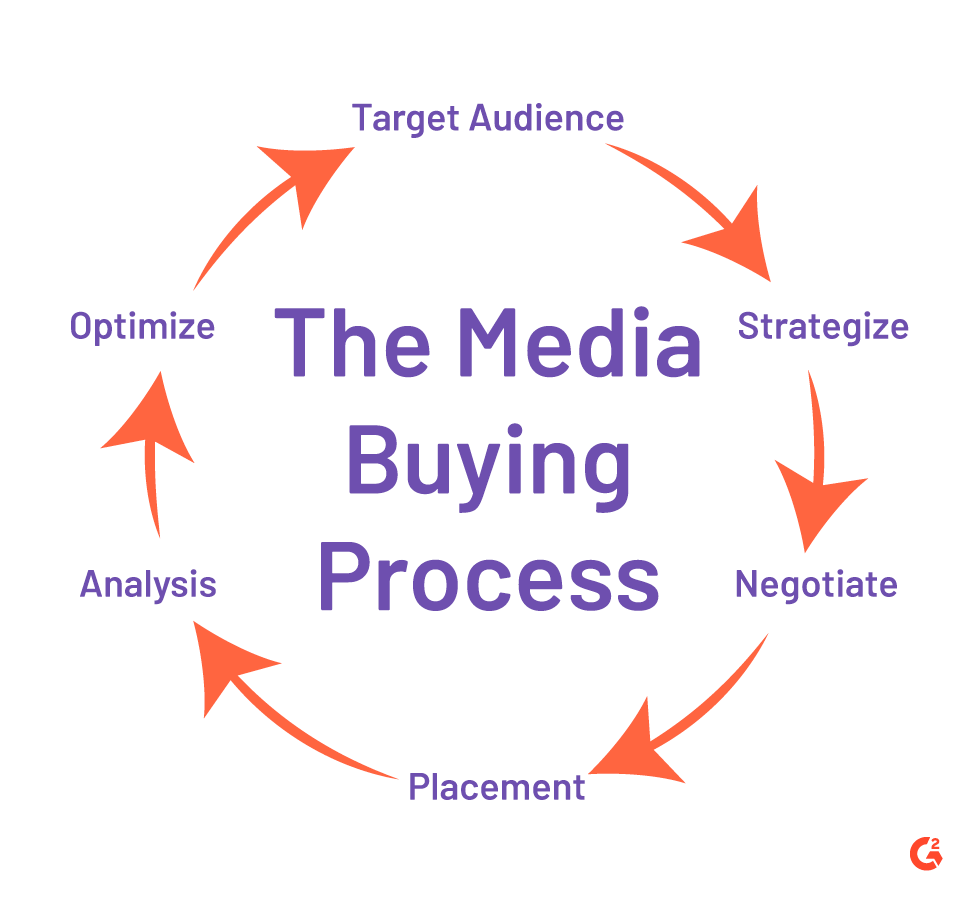
Media Buying
Media buying involves purchasing advertising space across various platforms to maximize brand visibility and reach. It focuses on strategic planning, targeting the right audience, optimizing budgets, and ensuring effective campaign delivery.
Why Should Brands Choose Media Buying ?
Media Buying in advertisement is a marketing approach that aims to reach a wide audience through mass media channels. Media advertising strategies typically involve television, radio, print media, and outdoor advertising platforms.
- Wider reach : Without a doubt, Media Buying’s promotions have an extraordinary reach that can make your brand’s name common amongst the populace. With your Brand name, tagline and logo everywhere, people will get curious about what you do and how you can improve their lives.
- Improved connection with your audience : A strong impression will keep your audience hooked to your brand. And with creative visuals, awesome content and fantastic narration, your customers will keep your brand as a thought in their minds for days to come.
- Creates your brand identity : Nothing boosts your brand identity more than a campaign that covers thousands if not millions of people. We reverse engineer your brand to connect with millions of audiences via Media Buying. In less than 10 seconds, you can have a random person remember your name. Imagine that kind of power.
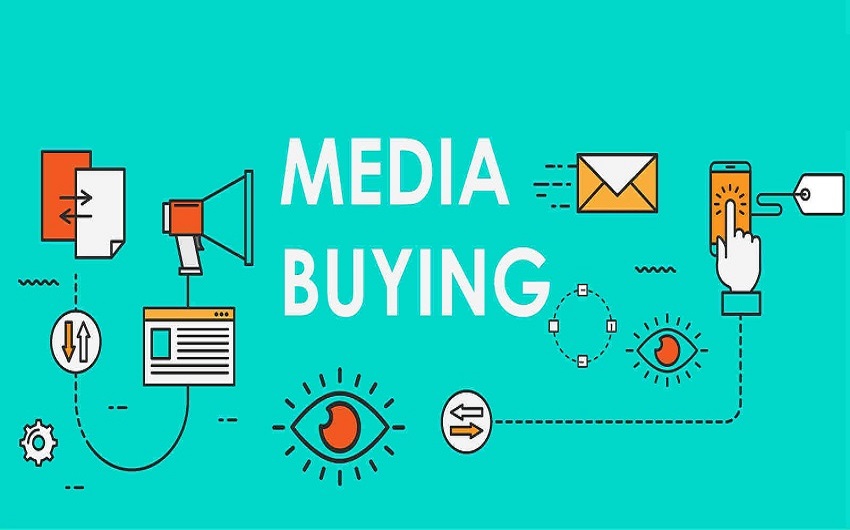
How can Media Buying help in your business growth?

OOH
Out-of-Home (OOH) advertising is a dynamic and impactful medium that reaches consumers in their real-world environments. With strategically placed billboards, transit advertisements, digital screens, and other OOH formats. OOH advertising is a powerful tool for brands seeking to make a memorable impact and connect with audiences in the real world.
Radio
Radio advertising is a highly effective medium for reaching and engaging with audiences. With its wide reach and ability to target specific demographics and geographic regions, radio allows brands to deliver their message directly into the homes, cars, and workplaces of consumers. Through compelling audio creatives, brands can captivate listeners and build brand awareness.

How We Work? HIFIVE MEDIA
Determining Auditing Goals
Establishing the benchmarks to be measured during the audit and giving each plan a numerical or qualitative value to measure its success.

Gather Information Or Data
Gather accurate and trustworthy data that enables brands to effectively determine strengths, fix oversights, and enhance upon shortcomings.

Evaluation Of Data
Utilising advanced technology to standardise data representation and identify trends to meet the audit criteria.
Why Choose Us HiFiveMedia
When it comes to choosing HiFiveMedia for your branding and marketing needs, it’s all about what sets you apart from the competition and how your unique offerings can benefit clients. Here are some potential angles you could highlight for the “Why Choose Us?” section:
1. Data-Driven Decision Making
At HiFiveMedia, we don’t guess—we analyze and strategize based on actionable insights. Using the latest data analytics tools, we gather intelligence that informs every decision, from audience segmentation to content creation, ensuring your brand reaches the right people with the right message.
2. Customized Branding Strategies
We understand that every business is unique. That’s why we tailor our strategies to fit your specific goals, audience, and industry. Whether you’re a startup or an established brand, our approach is always bespoke and designed to align with your long-term vision.
3. Holistic Approach to Brand Building
From digital marketing to creative design and social media, HiFiveMedia offers comprehensive branding solutions that cover every aspect of your brand’s presence. Our team works collaboratively to ensure all touchpoints are aligned and working towards a unified brand experience.
4. Innovation and Creativity
We don’t just follow trends; we create them. Our team of creative professionals is dedicated to thinking outside the box, blending innovative concepts with data-driven insights to produce content and campaigns that resonate and captivate.
5. Proven Track Record
We’ve successfully helped businesses across various industries to elevate their brand presence and drive measurable results. Whether it’s boosting engagement, increasing conversions, or expanding brand awareness, we deliver on our promises and always aim to exceed expectations.
6. Transparent and Collaborative Partnership
We believe in building strong, transparent relationships with our clients. From regular progress updates to open communication channels, you’ll always know where your project stands. We consider ourselves an extension of your team, working together to achieve shared success.
7. Expert Team of Specialists
HiFiveMedia brings together a diverse team of industry experts—from data analysts and content creators to SEO specialists and social media managers. This expertise ensures that every aspect of your brand’s strategy is handled by professionals who know how to get results.
8. Focused on ROI
Your success is our success. We use data to measure the impact of every campaign, track key performance indicators (KPIs), and optimize for maximum return on investment (ROI). Whether it’s driving traffic, increasing sales, or growing your social following, we aim for measurable growth.
9. Long-Term Brand Growth
We’re not just about short-term wins. We build brands with sustainable growth in mind, ensuring your brand strategy evolves as your business does. With a focus on both immediate results and future scalability, HiFiveMedia is committed to your long-term success.
10. Flexible and Scalable Solutions
As your business grows, your branding needs evolve. Our strategies are flexible and scalable, allowing us to quickly adapt to changes and expand efforts as needed. Whether you’re launching a new product, entering a new market, or redefining your brand identity, we can grow with you.
Data-driven branding is all about leveraging insights from data to create more personalized, targeted, and effective brand strategies. By analyzing consumer behaviors, preferences, and trends, businesses can craft compelling brand narratives that resonate with their audiences and drive better results.
Here are some data-driven branding opportunities you can explore:
1. Personalized Customer Experiences
- Segmentation: Use data to segment your audience based on demographics, behaviors, and interests. Tailoring messaging to these segments can help you create a more relevant brand experience for each group.
- Dynamic Content: Leverage data to serve personalized content to customers in real-time across different channels, whether it’s social media, websites, or email marketing.
- Product Recommendations: Data-driven algorithms, like those used by Amazon or Netflix, can help personalize product recommendations based on customers’ browsing or purchase histories.
2. Customer Journey Mapping
- Analytics & Tracking: Utilize data analytics tools (Google Analytics, heat maps, CRM platforms) to track customer journeys across digital touchpoints. Understanding where users engage with your brand can help you tailor your content and design to optimize conversions.
- Omni-channel Experience: A seamless, unified brand experience across channels (e.g., website, mobile, social media, email) based on data-driven insights can enhance customer satisfaction and loyalty.
3. Predictive Analytics for Brand Strategy
- Trend Analysis: Use predictive analytics tools to identify upcoming trends or shifts in consumer behavior. This can help you stay ahead of the curve and adjust your brand strategy to meet future demand.
- Sentiment Analysis: Monitor social media, reviews, and online discussions to gauge customer sentiment. This can inform your branding decisions and help you address potential concerns or capitalize on positive feedback.
- Customer Lifetime Value (CLV): By predicting which customers are most likely to become repeat buyers or brand advocates, you can allocate your marketing resources more effectively and focus on high-value segments.
4. Real-Time Data for Agile Branding
- Real-Time Campaign Adjustments: Data tools like social media monitoring, A/B testing, and Google Analytics can help you track live responses to your branding campaigns. If something isn’t resonating with your audience, you can tweak the campaign in real-time to improve performance.
- Influencer Partnerships: Use social listening data to find influencers whose audience aligns with your brand values and goals. Measure their performance in real-time to ensure a strong ROI.
5. Enhanced Visual and Creative Branding
- A/B Testing: Use A/B testing on ads, emails, and website designs to see what resonates best with your audience. Data helps determine which visual elements, colors, and messaging are most effective.
- Data-Driven Design: Leverage data to influence design decisions based on user preferences. Heatmaps and click-tracking tools can show you how users interact with your website and help refine your branding assets for better engagement.
6. Content Strategy Optimization
- Performance Tracking: Use analytics tools (like Google Analytics, HubSpot, or SEMrush) to track which types of content (blogs, videos, case studies, etc.) perform best and resonate most with your target audience. Optimize future content based on these insights.
- SEO Data: Leverage SEO tools to understand search trends, keyword performance, and customer queries. This data can help you create more relevant content that aligns with customer intent and search behavior.
7. Customer Feedback & Engagement
- Surveys & Feedback Loops: Collect and analyze data from surveys, customer feedback forms, and reviews to identify pain points and opportunities to improve your brand’s value proposition.
- Loyalty Programs: Use data to refine loyalty programs. By analyzing customer behavior, you can tailor incentives and rewards to keep customers engaged and invested in your brand.
8. Brand Health Metrics
- Brand Equity Tracking: Use data to measure brand awareness, recall, and perception over time. Tools like brand health trackers and social media sentiment analysis can help you measure your brand’s strength in the market.
- Competitor Analysis: Gather competitive intelligence to assess where your brand stands against competitors. Tools like SEMrush, Ahrefs, or even social listening can provide insights into how your brand is perceived relative to others.
9. Geo-Targeting & Localized Branding
- Geolocation Data: Use geo-targeting to tailor your branding efforts to specific locations. This can be especially effective for local businesses or brands with physical retail presence. For example, customize messaging or offers based on regional preferences, weather, or local events.
- Localized Content: Personalize content based on the cultural and regional differences of your target audience. Localized campaigns can increase relevance and engagement.
10. Social Media Listening & Engagement
- Social Media Insights: By analyzing social media data, you can understand what topics or trends are important to your audience. This data can be used to create timely, relevant content that amplifies your brand presence on social platforms.
- Real-Time Engagement: Social listening tools can help you track brand mentions in real-time. By engaging with customers promptly, you can increase brand loyalty and improve your brand’s reputation.
Key Tools for Data-Driven Branding:
- Google Analytics: Track web traffic, user behavior, and conversions.
- HubSpot: For inbound marketing, lead scoring, and CRM analytics.
- SEMrush / Ahrefs: For SEO, competitive analysis, and keyword research.
- Sprout Social / Hootsuite: For social media listening, engagement, and analytics.
- Tableau / Power BI: For creating dashboards and visualizing large sets of customer data.
WhatsApp us